



Karelian Research Centre RAS was represented in the meeting by project experts – Deputy President for Science Nikolai Ilmast and Leading Researcher at the Forest Research Institute Sergey Sin’kevich.
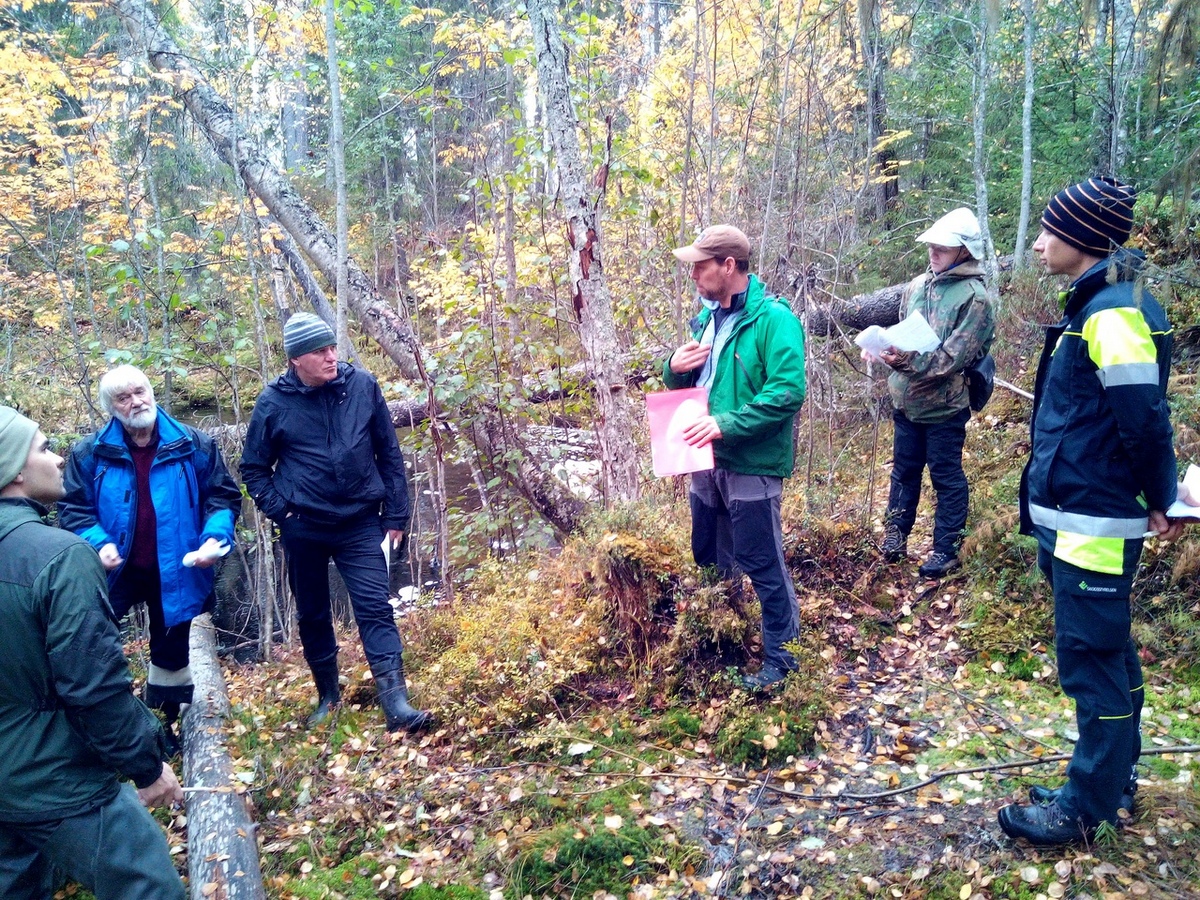
During two days of intense work together with colleagues from the Swedish Forest Agency, Integrated Arctic Research Centre in Arkhangelsk, WWF Barents Sea Branch Arkhangelsk Office, and St. Petersburg ITMO University a Swedish-designed technique for assessing the condition of small rivers was tested in the field, and the action plan for adapting it to be applied to forested catchments in the Arkhangelsk Region and Republic of Karelia was discussed.
The upcoming plans of this project, scheduled for a 3-year period and bringing together partners from Sweden, Finland, Russia, Latvia, Lithuania and Poland, include the development of a common methodology and analysis of the applicability of the suggested approaches to Russian realities.
KarRC RAS
in social media


in social media
News
October 8, 2019
KarRC RAS scientists took part in the kick-off meeting of the international project "WAMBAF Tool Box" (Water management in Baltic forests – tool box), implemented under the INTERREG Baltic Sea Region Programme, which took place in Arkhangelsk on October 1-2, 2019.
See also:
November 26, 2025
KarRC RAS to run trials of Belarusian technologies for woody plant reproduction
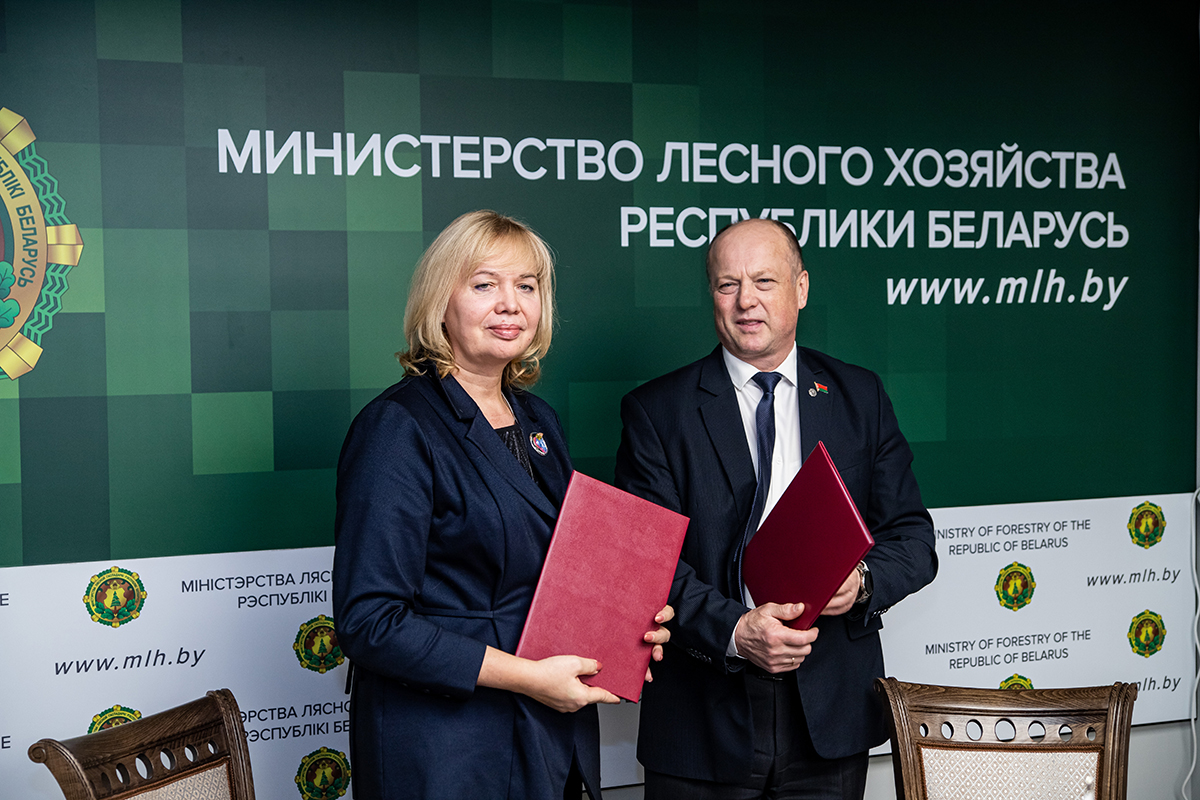
KarRC RAS CEO Olga Bakhmet signed a cooperation agreement with the Belarusian Republican Forest Breeding and Seed Production Center (RBSPC). Karelian Research Centre RAS will be a base for trying out Belarusian technologies for reproduction of woody plants in a northern environment.
KarRC RAS CEO Olga Bakhmet signed a cooperation agreement with the Belarusian Republican Forest Breeding and Seed Production Center (RBSPC). Karelian Research Centre RAS will be a base for trying out Belarusian technologies for reproduction of woody plants in a northern environment.
November 24, 2025
Breams infected with ligula worms are edible
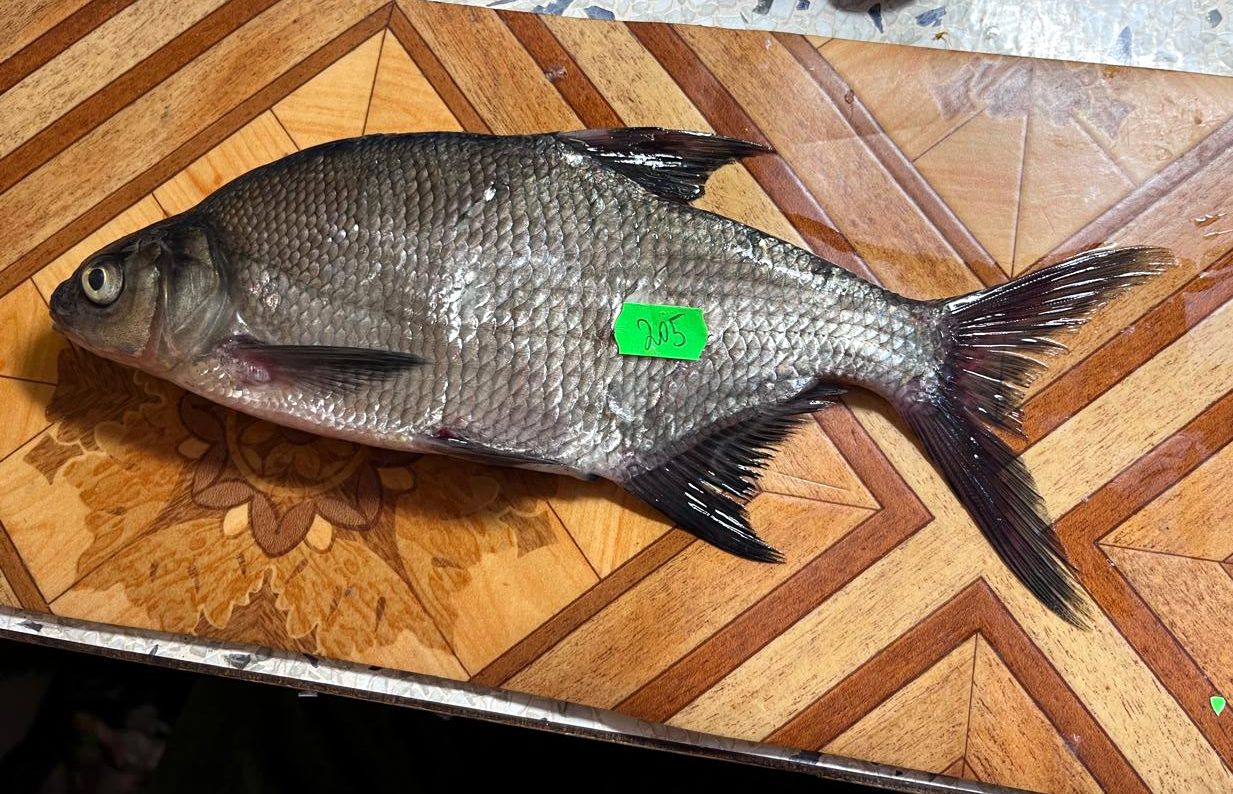
Biochemists and parasitologists at KarRC RAS studied how the wellbeing and nutritive value of the bream is affected by ligula – a flatworm that can grow to be several times as long as the host fish. To this end, scientists checked a number of crucial parameters in healthy and ligula-infected fish from Lake Syamozero. Analyses show that this parasite, non-hazardous for humans, does not have much effect on the quality of the fish either.
Biochemists and parasitologists at KarRC RAS studied how the wellbeing and nutritive value of the bream is affected by ligula – a flatworm that can grow to be several times as long as the host fish. To this end, scientists checked a number of crucial parameters in healthy and ligula-infected fish from Lake Syamozero. Analyses show that this parasite, non-hazardous for humans, does not have much effect on the quality of the fish either.