


The grant is funding through the European Neighbourhood Instrument within Karelia Cross-border Cooperation Programme’s 2014-2020 priority “Clean and comfortable region to live”. Project partners, along with KarRC RAS, are Finnish Environment Institute, SYKE (Lead Partner) and Natural Resources Institute Finland, LUKE.
The aim of the project is to develop expertise on issues associated with invasive alien species and the methods to control them, as well as to raise awareness among communities, authorities and any relevant stakeholders on both sides of the border.
Karelia CBC Programme is financed by the European Union, Republic of Finland, and the Russian Federation.
KarRC RAS
in social media


in social media
News
June 20, 2019
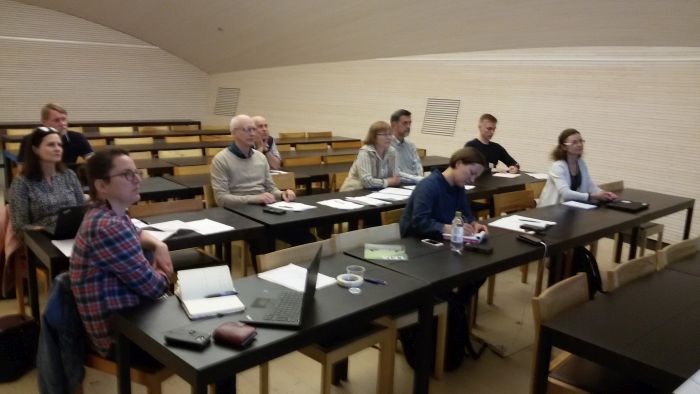
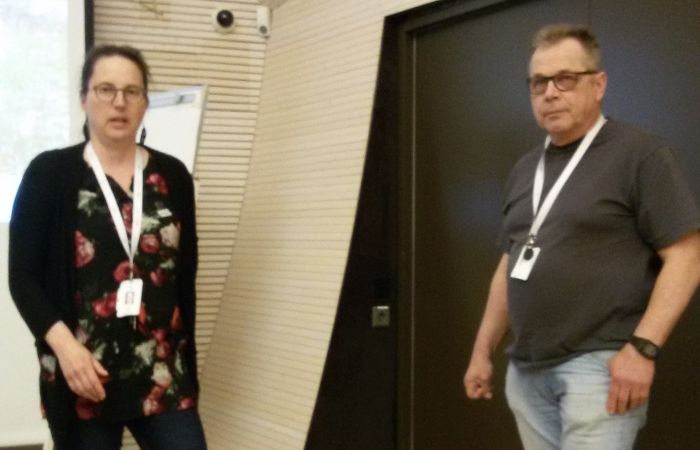
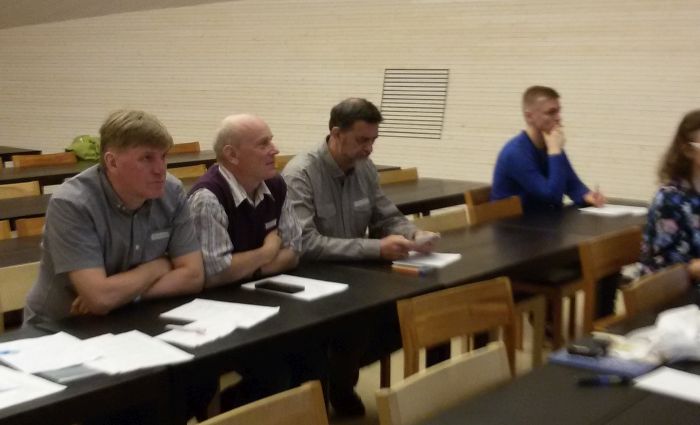
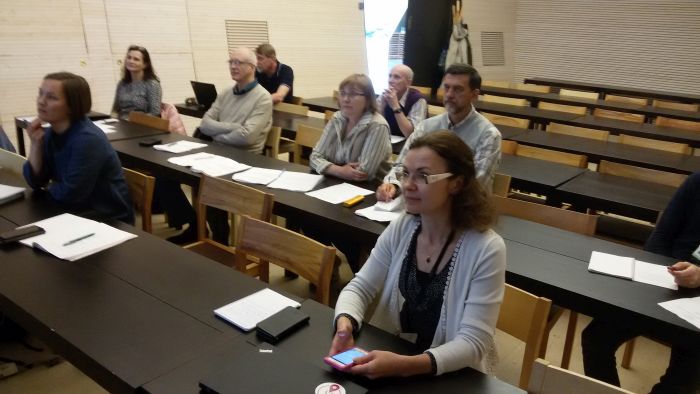
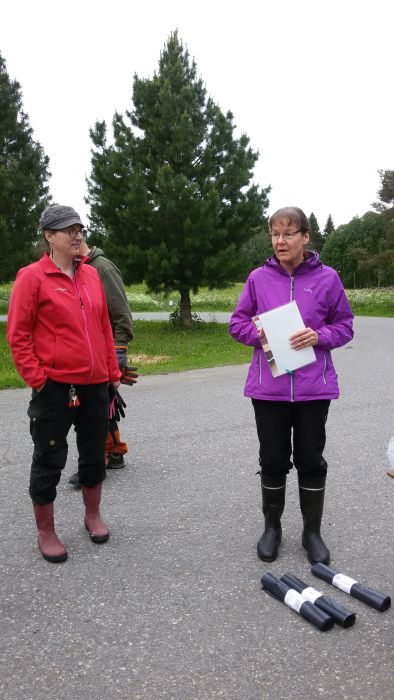
On June 12-13, 2019 a working meeting on the project “DIAS - Collaborative Data and Information Exchange Network for Managing Invasive Alien Species” took place at the Natural Resources Institute Finland in Joensuu. The meeting was gathered to discuss the project progress and upcoming activities. In addition, KarRC RAS staff together with Finnish volunteers took part in an event for eradication of the invasive species Impatiens glandulífera (Himalayan balsam) in Noljakka recreational area.

See also:
December 1, 2025
Russian Science Foundation supported Karelian scientists’ projects
Four grant applications submitted by scientists of the Karelian Research Centre RAS were approved by the Russian Science Foundation. The projects by Karelian researchers deal with issues such as building a methodology for the identification, monitoring, and protection of certain wetlands, increased mortalities among young farmed trout relocated to natural water bodies, assessing the anti-inflammatory properties of natural dietary supplements promising for trout farming, and reconstruction of the thermal history of the Earth's crust formation in northern Karelia and southern Murmansk Region.
Four grant applications submitted by scientists of the Karelian Research Centre RAS were approved by the Russian Science Foundation. The projects by Karelian researchers deal with issues such as building a methodology for the identification, monitoring, and protection of certain wetlands, increased mortalities among young farmed trout relocated to natural water bodies, assessing the anti-inflammatory properties of natural dietary supplements promising for trout farming, and reconstruction of the thermal history of the Earth's crust formation in northern Karelia and southern Murmansk Region.
November 28, 2025
Scientists of KarRC RAS took part in Young Scientists’ Congress at Sirius
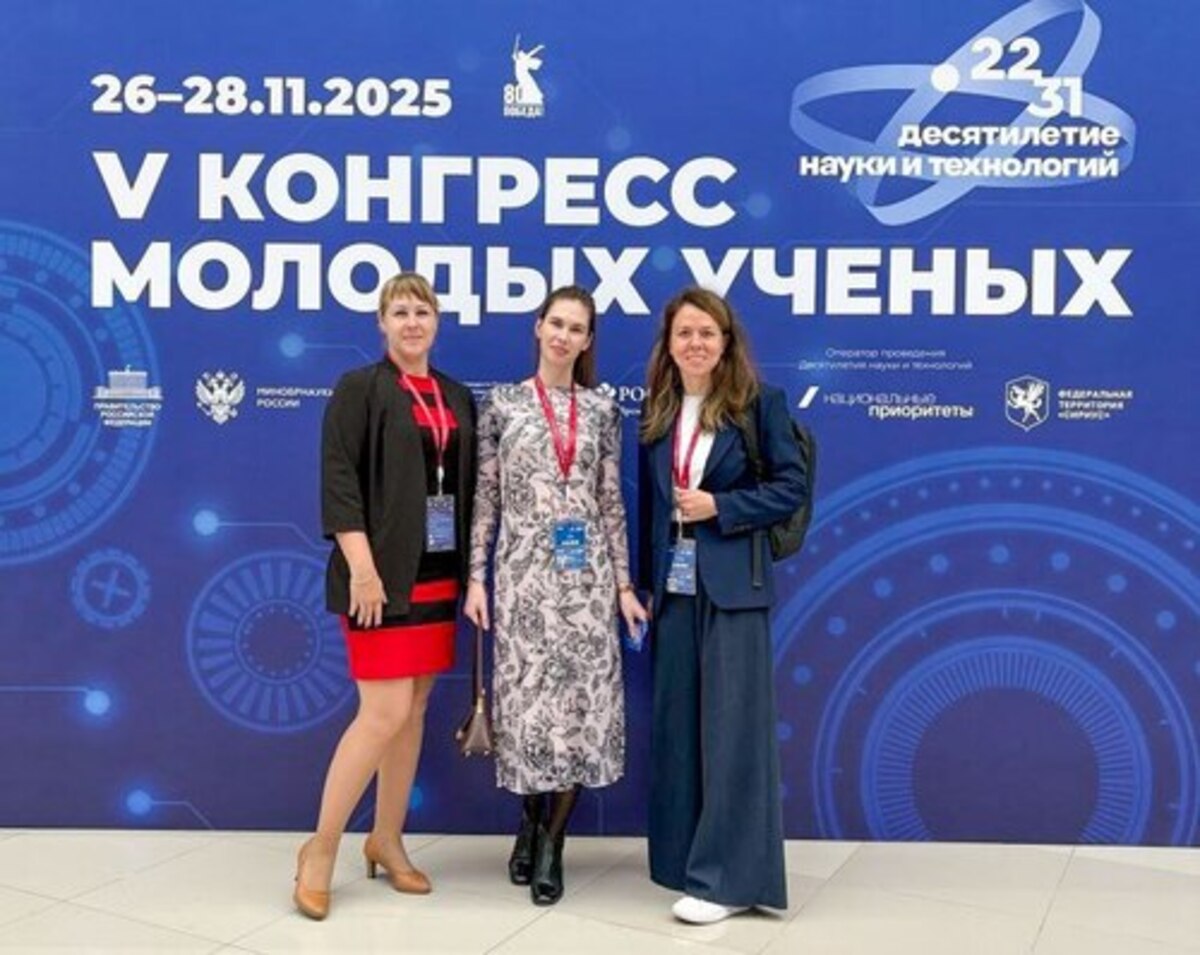
A group of researchers from KarRC RAS took part in the 5th Young Scientists’ Congress held at the Sirius Federal Territory in Sochi. Over eight thousand participants from more than a hundred countries – early-career and renowned scientists, officials and businesspersons – worked actively at the plenary sessions and discussion grounds of this international scientific forum.
A group of researchers from KarRC RAS took part in the 5th Young Scientists’ Congress held at the Sirius Federal Territory in Sochi. Over eight thousand participants from more than a hundred countries – early-career and renowned scientists, officials and businesspersons – worked actively at the plenary sessions and discussion grounds of this international scientific forum.
November 28, 2025
Karelian scientists and tour operators from regions of Russia discussed tourism development in the Arctic
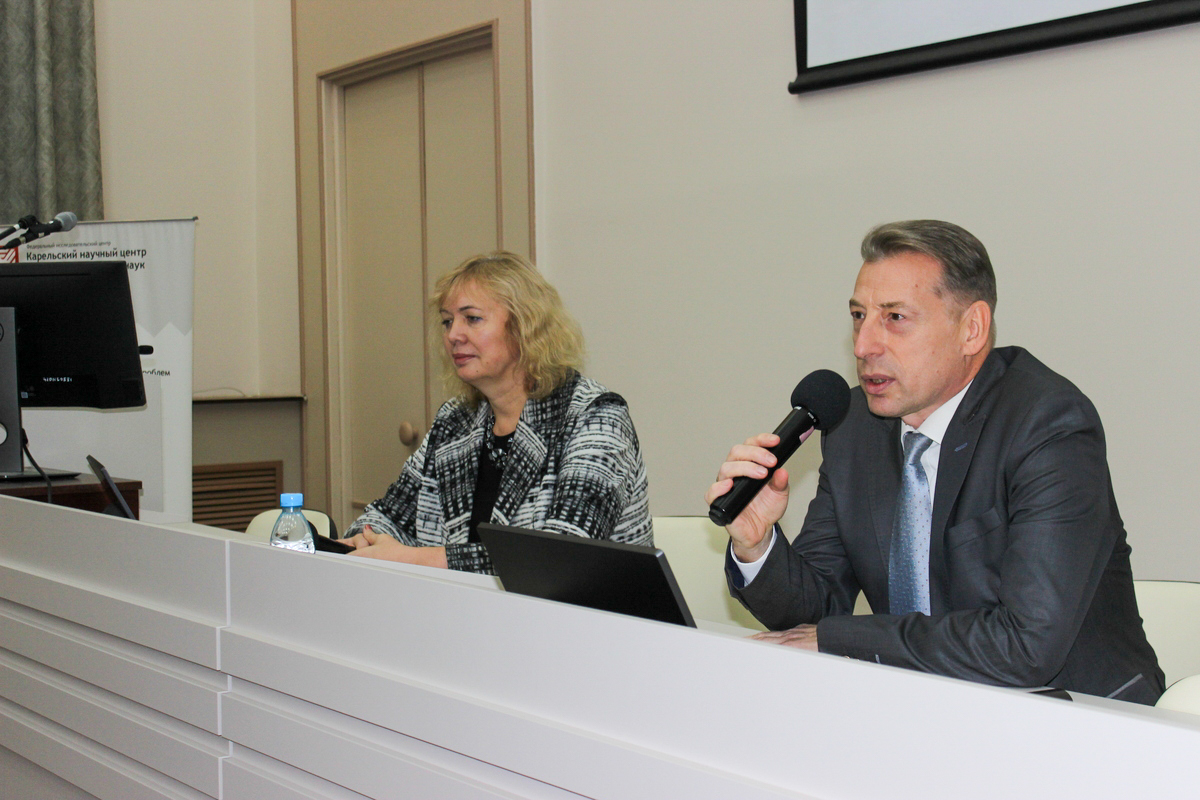
Researchers at the KarRC RAS analyzed current trends and identified prospects for the development of Arctic tourism based on the judgments of tour operators from all regions of the Russian Arctic. The results of this study, their applications, and potential solutions to existing problems were discussed by participants of the 5th Workshop "Integrated Development of Arctic Territories: an Expert Opinion," which brought together interested specialists from the country's northern regions.
Researchers at the KarRC RAS analyzed current trends and identified prospects for the development of Arctic tourism based on the judgments of tour operators from all regions of the Russian Arctic. The results of this study, their applications, and potential solutions to existing problems were discussed by participants of the 5th Workshop "Integrated Development of Arctic Territories: an Expert Opinion," which brought together interested specialists from the country's northern regions.