



Common interests of scientific organizations operating in the Arctic region – Kola, Karelian, Komi, Yakutia science centers, Ural, Siberian, and Far Eastern Branches of the RAS – were presented at the session “Arctic diets: ethnocultural heritage, modern practices, and biotechnological development”. Lyudmila Lysenko shared with colleagues some findings made by KarRC RAS staff within a state-ordered project and Russian Science Foundation projects completed in 2022 and 2025.
The biologist reminded that fish is a traditional food for the population of Karelia and an invaluable source of animal protein and lipids, including essential components such as amino acids, phospholipids, and polyunsaturated fatty acids. Scientists undertook to assess the role of the fish component in the diet of Karelian residents in shaping their health profile. To this end, they compared the qualitative composition of harvested wild species and farmed fish, determined the frequency of fish product consumption by relatively healthy residents of Karelia, and examined its correlations with the individuals’ blood lipid profile.
– Previously, local residents consumed only wild fish, while their diet now has become significantly enriched with farmed fish, – added the scientist.

Lyudmila Lysenko, Research Line Leader at KarRC RAS Biomedical Research Center, speaking at the 19th International Congress of Dietitians and Nutritionists
As to the dietary properties, most of the native harvested fish species, including pike, roach, bream, whitefish, vendace, landlocked salmon, are lean (up to 1.4% fat) and medium-fat (4-8%) varieties. Studies have revealed valuable qualities of the fishes, chiefly as regards the ratios of lipid fractions and the content of mono- and polyunsaturated fatty acids essential for humans. E.g., the high dietary value of the Syamozero bream was studied in detail in an RSF project led by Darya Lebedeva, Senior Researcher at the Institute of Biology KarRC RAS. However, the quantitative characteristics (total fat content) of native fish species are inferior to those of the rainbow trout and Atlantic salmon farmed since the late 1990s.
Frequent consumption of fish products rich in omega-3 fatty acids acts forms a natural barrier to atherosclerotic and inflammatory cardiovascular diseases. Preservation of omega-3 during cooking can be achieved by using low-temperature methods, such as salting or smoking, or spices that slow fatty acid oxidation, such as oregano.
The cardiovascular health study involved 204 healthy residents of Petrozavodsk of both sexes. Their average age was 47.2 years. All subjects were subjected to clinical and biochemical blood assays and their lifestyle data were collected, i.e. physical activity, unhealthy habits, dietary habits, including how frequently they ate fish. According to the questionnaires, the average frequency of fish consumption was 3.1 servings a week.
Biochemical blood assaying for the sample revealed a high prevalence of disorders associated with cardiovascular disease risk. These include elevated levels of total cholesterol (68%), low-density lipoprotein (LDL) cholesterol (or bad cholesterol) (78%), and the atherogenic index of plasma (AIP), i.e., the good/bad cholesterol ratio (39%). These values match the nationwide averages. On the other hand, the levels of high-density lipoprotein (HDL) cholesterol (good cholesterol) and triglycerides in the sample fell within the normal range.
“Despite the high frequency of detected dyslipidemias and early lipid metabolism disorders, some higher cardiovascular risk factors are less common among residents of our region than across Russia as a whole", – noted the scientists.
Experts hypothesize that this cardioprotective effect may be precisely due to the regular consumption of fish products rich in omega-3 fatty acids by residents of Karelia. To verify this assumption, they will need to further study the region-specific risk factors and patterns in the development of cardiovascular diseases, and their correlation with the diet.
It is worth noting that the goals of healthy nutrition can also be met by eating more affordable, non-salmonid fatty fishes such as herring, mackerel, and sardines. For those who do not eat fish, alternative sources of omega-3 can include walnuts, soybeans, flaxseeds, and chia seeds.

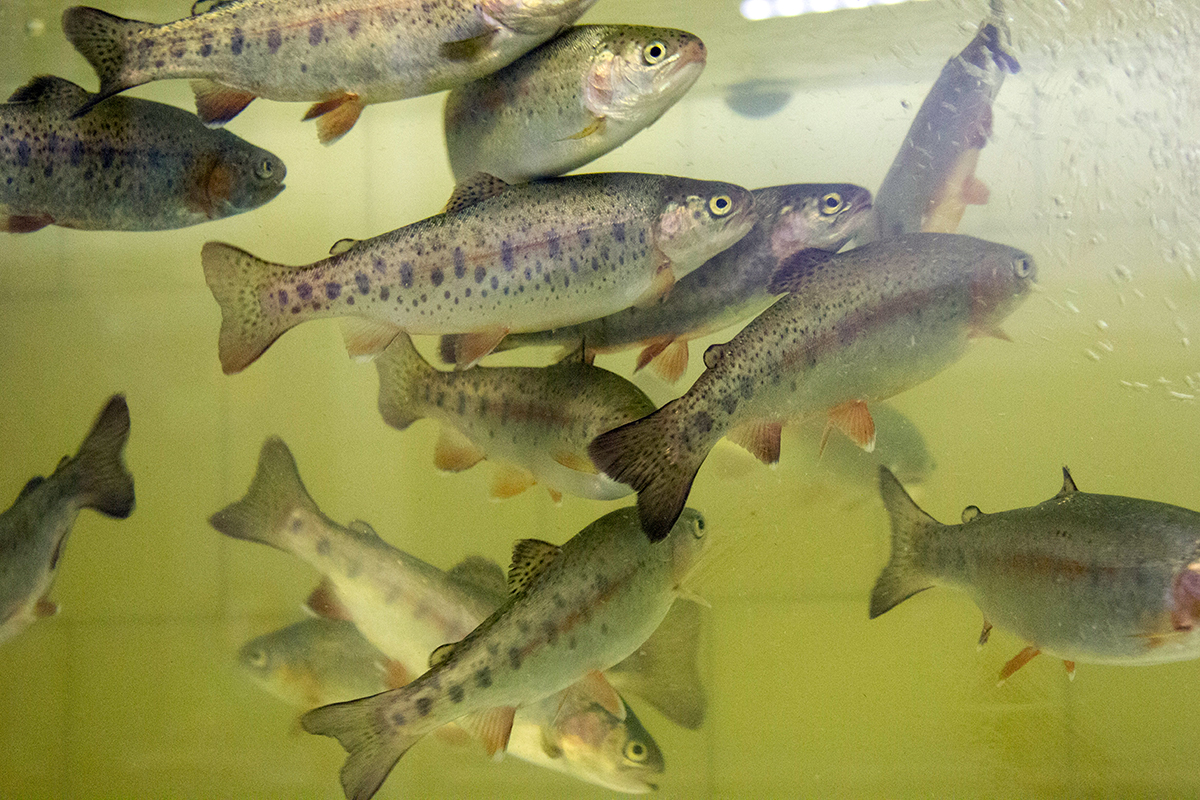
Drawing blood tests from trout. Photo: Alexander Orlov / KarRC RAS
A special line of activity for Karelian biologists is enhancing the quality of farmed fish. Studies within an RSF project led by Senior Researcher of the Institute of Biology KarRC RAS Nadezhda Kantserova proved the efficacy of a nature-based supplement, dihydroquercetin, derived from larch logging wastes. Biologists have demonstrated that this supplement makes trout more stress- and disease-resilient. At the same time, it’s safe for humans and aquatic ecosystems.
– The simple takeaway is that the good old tradition of eating fish several times a week is not just a matter of taste but a science-proven investment in one’s cardiac health, especially for people living in the north, – summarized Lyudmila Lysenko.